What is jute?
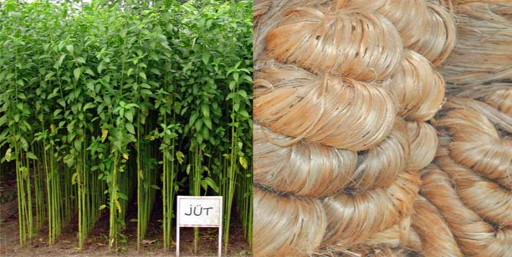
Jute is a long, shiny plant fibre obtained from the stems of Corchorus species such as white jute (C. olitorius) and tossa jute (C. capsularis) sewport.com . The golden‑coloured fibres can be 1.5 – 4 metres long and are among the longest natural plant fibres textileengineering.net ; only cotton exceeds jute in global production sewport.com . Jute grows quickly (over 3 m tall) in warm, humid monsoon climates, particularly in Bangladesh and India sewport.com textileengineering.net . The fibre’s core chemical components are cellulose and lignin danskejutevarer.dk , giving it a coarse yet soft texture, natural sheen and good breathability textileengineering.net . Jute is biodegradable and compostable, which is why it is often called the “golden fibre” textileengineering.net .
Key characteristics
- Strength & flexibility – jute fibres have moderate tensile strength and elongation, providing a balance of sturdiness and pliability textileengineering.net . This makes them ideal for weaving into sacks, rugs and geotextiles.
- Breathable & absorbent – the fibres absorb water readily yet dry quickly sewport.com ; they are naturally antistatic and have low thermal conductivity.
- Eco‑friendly – jute production uses rain‑fed agriculture with little need for pesticides; the fibres are biodegradable and help reduce plastic pollution.
How jute products are made
Creating jute products involves transforming raw stalks into yarn and then weaving or sewing the yarn into finished items. The major steps are:
- 1. Harvesting & retting – Mature jute stalks are cut by hand and left to defoliate; they are then submerged in water for retting, a process where microbial activity loosens the non‑fibrous material sewport.com . This step separates the bast fibres from the woody core.
- 2. Fibre extraction & drying – Workers strip the softened fibres from the stalks, wash them and hang them to dry. The dried fibres are bundled into bales for transport to mills.
- 3. Softening & conditioning – At the mill, the coarse fibres are treated with an emulsion of oil and water to lubricate and soften them danskejutevarer.dk . The fibres are piled (allowed to “rest”) so the emulsion penetrates, making them flexible enough for carding.
- 4. Carding & drawing – Carding machines disentangle and comb the fibres into a continuous web; drawing frames further align the fibres and combine multiple webs into a sliver danskejutevarer.dk . This sliver is drawn repeatedly to improve uniformity and strength.
- 5. Spinning – The slivers are spun into yarn using spinning frames or traditional hand‑operated spinning wheels sewport.com . Spun yarn may be single or plied and can be treated to improve colourfastness or moisture resistance.
- 6. Weaving & finishing – The yarn is woven or braided into fabrics, ropes or mats. Finishing processes such as calendaring (pressing for a smooth finish), hemming and sewing turn the woven cloth into sacks, rugs, carpets and other products danskejutevarer.dk . Jute items can be combined with other fibres (e.g., cotton) to enhance durability or achieve different textures.
Industrial processing generally follows similar steps. Harvested stalks are split or shredded, sun‑dried and twisted into rope or cordage. These cords are then woven by hand or on simple looms into baskets, mats, trays and other items. Because kans fibre cannot be easily bleached or dyed, products retain a natural beige to golden‑brown tone.
Products made from jute
Thanks to its strength, versatility and sustainability, jute can be fashioned into a wide range of goods:
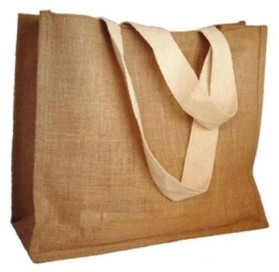
- Sacks and packaging – The traditional use of jute is in burlap sacks and gunny bags for transporting grains, coffee and other commodities sewport.com textileengineering.net . The fabric’s breathability helps prevent moisture build‑up and spoilage.
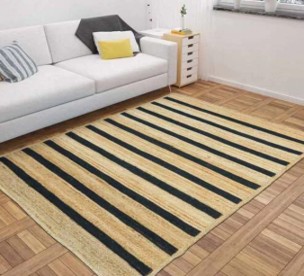
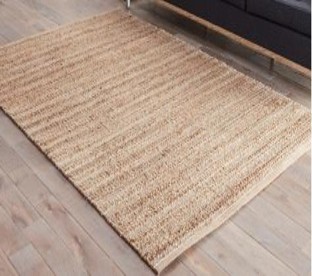
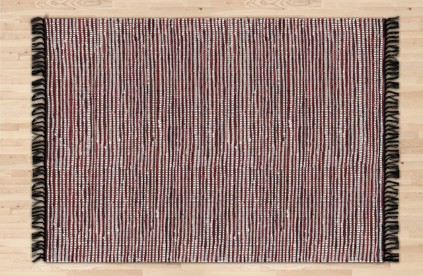
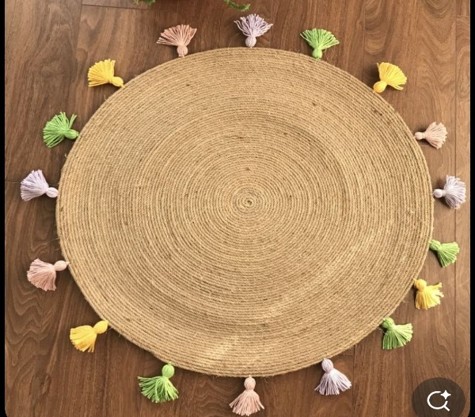
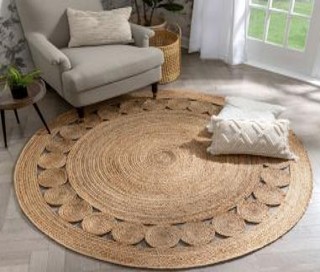
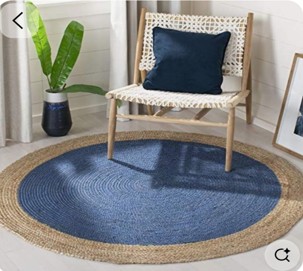
- Rugs and floor mats – Jute’s soft yet durable texture makes it suitable for rugs, floor mats and runners. These add natural warmth to interiors but should be kept dry, as jute is sensitive to excessive moisture.
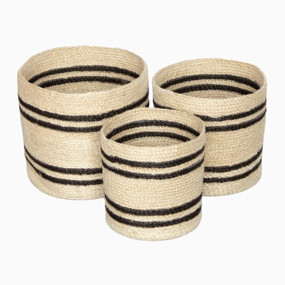
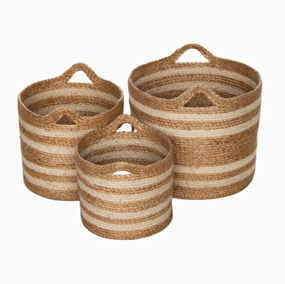
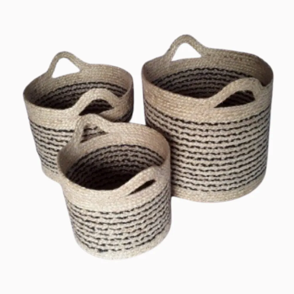
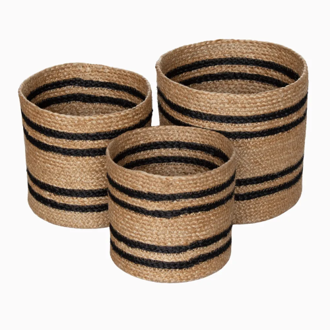
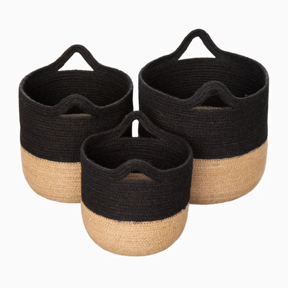
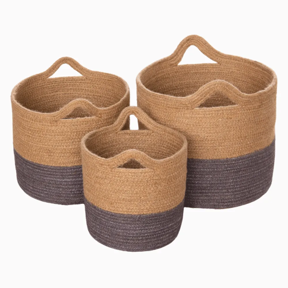
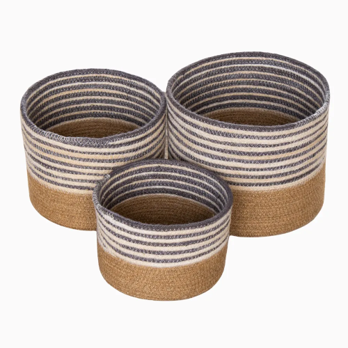
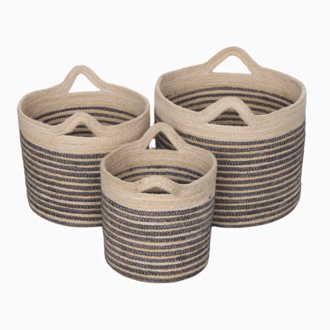
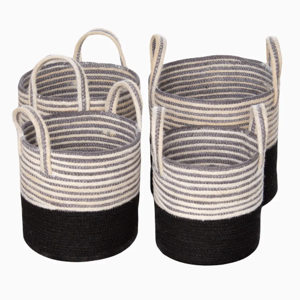
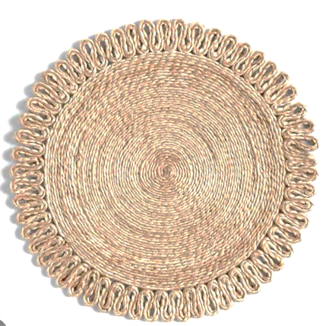
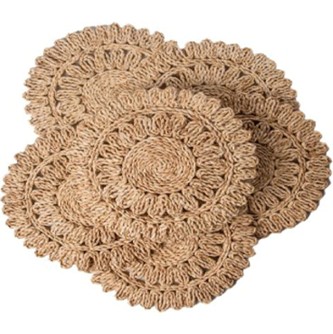
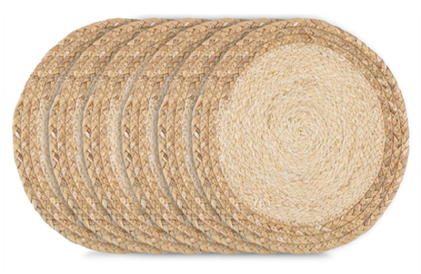
- Home décor & furnishings – Upholstery, curtains, wall coverings, table runners and decorative baskets utilise jute’s natural sheen and earthy colour sewport.com textileengineering.net . Jute can also be braided into coasters or placemats.
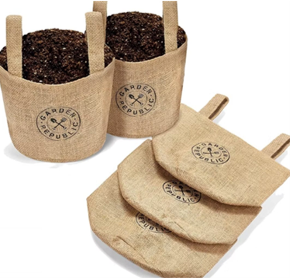
- Ropes and twine – Strong jute ropes and twine are used in agriculture, gardening, construction and crafts.
- Industrial & construction materials – Jute is employed as a backing for linoleum, carpet underlay, insulation material and composite panels sewport.com textileengineering.net . Jute geotextiles are used to prevent soil erosion and stabilise roads or riverbanks.
- Medical & household goods – The fibre’s absorbency and low irritation make it useful for bandages, surgical gauze and sanitary products textileengineering.net . Paper made from jute pulp is sturdy and eco‑friendly.
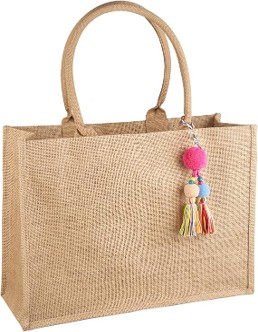
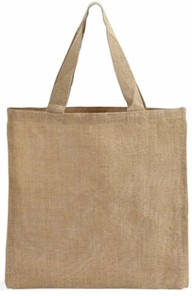
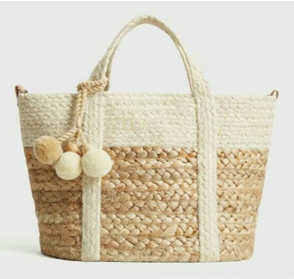
- Handicrafts & fashion accessories – Artisans braid jute into handbags, baskets, macramé plant hangers, jewelry, hats and other handmade items textileengineering.net . When dyed, jute yarn offers rich tones while retaining its natural appeal.
Sustainability and social impact
Jute cultivation is rain‑fed and typically requires fewer pesticides and fertilisers than synthetic fibres. The plants absorb large amounts of carbon dioxide and enrich the soil, making jute a carbon‑neutral resource. In Bangladesh and India, jute farming and manufacturing provide livelihoods for millions of rural households textileengineering.net . Because jute products are biodegradable and reusable, they help reduce plastic waste and contribute to greener lifestyles.