Sea-Grass

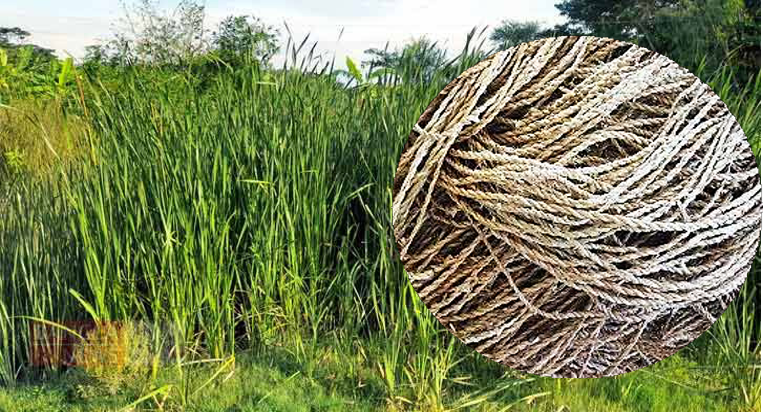
Sea‑grass is a group of flowering plants that grow in coastal wetlands and underwater meadows rather than on land. Although people sometimes confuse it with edible seaweed, sea‑grass is a true vascular plant. It has stems that can grow up to about 2 metres high with a triangular cross‑section and a spongy interior that makes the fibre elastic and hygroscopic. Because it grows quickly in brackish, salty water, one acre of sea‑grass can produce more than 10 tonnes of biomass per year and sea‑grass meadows help absorb CO₂ and release oxygen, making it a sustainable, environmentally friendly resource. Sea‑grass fibres have a natural wax‑like coating that makes them smooth, slightly glossy and resistant to stains and spills.

How sea‑grass products are made

  • 1. Harvesting & drying – Farmers harvest sea‑grass from coastal wetlands, sort it by length and remove dead stems. The fresh stems are immediately split into thinner strands using a simple machine. These strands are then sun‑dried for two to three days until their moisture content drops below 30 %; sun exposure makes the fibre lighter, softer and more durable.
  • 2. Processing into cord – Once dry, processors braid or twist several split strands together to make long, tough ropes in different diameters. Sea‑grass cannot be bleached to a lighter tone, so products retain their natural green‑to‑beige colour.
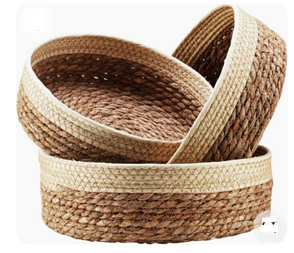
  • 3. Weaving & shaping – Producers supply these cords to skilled artisans, who weave them by hand into baskets, mats and other items. Depending on the product, artisans may incorporate other materials (such as jute or date leaf) or use different weaving styles to achieve specific shapes and patterns.
  • 4. Finishing & inspection – Finished pieces undergo trimming to remove excess fibres, cleaning (including optional painting), and gluing to hold their shape and prevent mould. Some baskets are filled during the drying process to maintain their form. Quality control teams then check moisture content (ideally 12–23 %) and reject items with stains, uncut weaving or poor workmanship.

What can be made from sea‑grass?

Sea‑grass’s flexibility and strength allow it to be woven into a wide range of goods. Common products include:

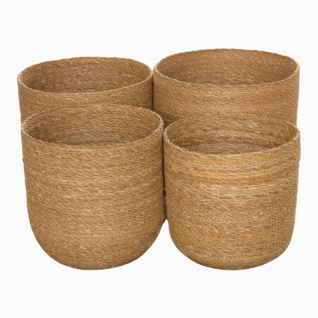
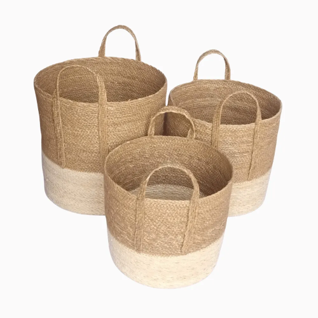
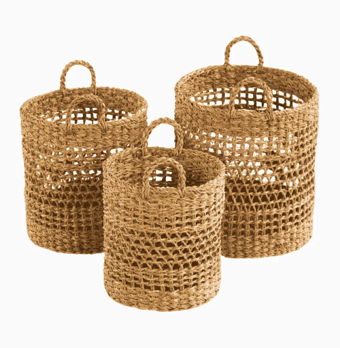
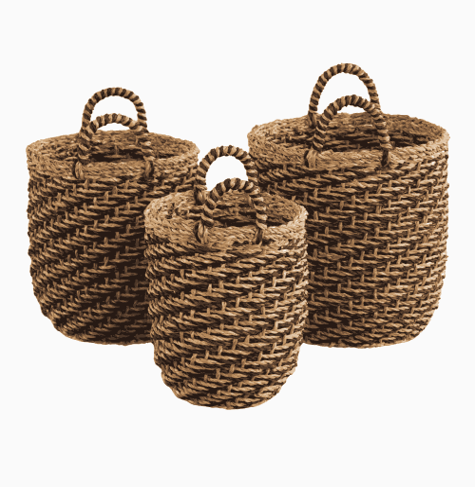
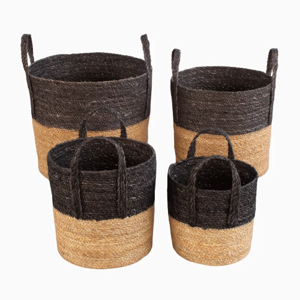
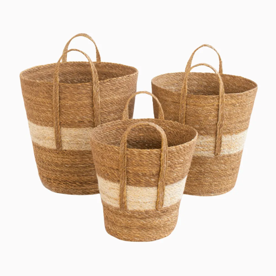
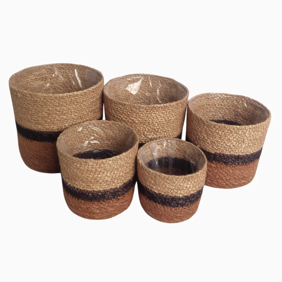
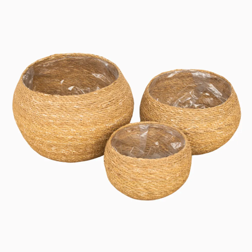
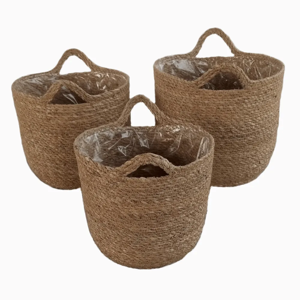
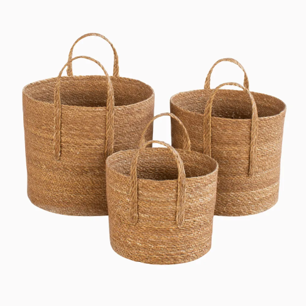
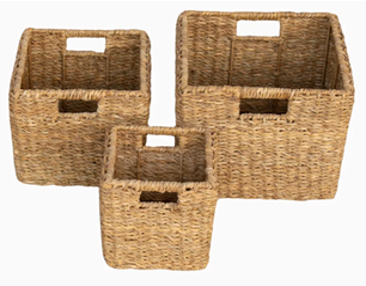
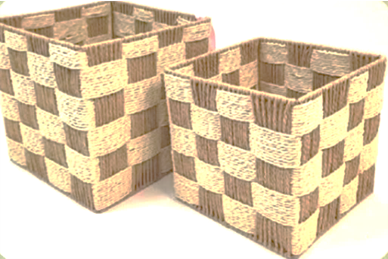
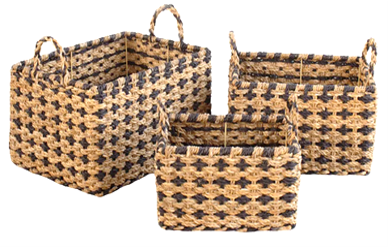
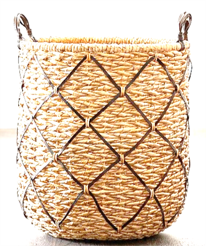
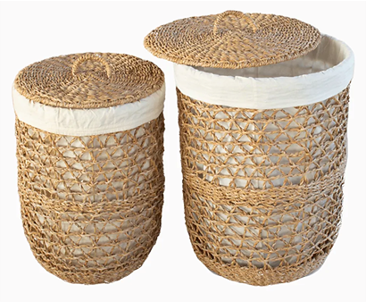
  • Woven baskets and hampers – the most popular sea‑grass item, available in various shapes and sizes for home storage.
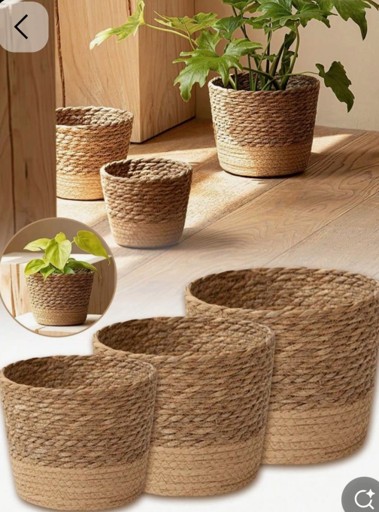
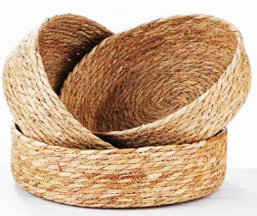
  • Wicker pots and plant holders – sea‑grass cords are coiled and sewn to create containers for indoor plants.
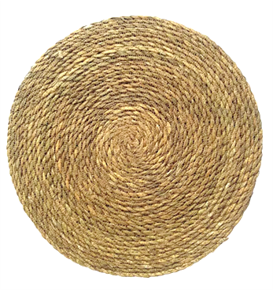
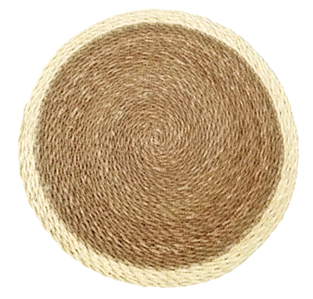
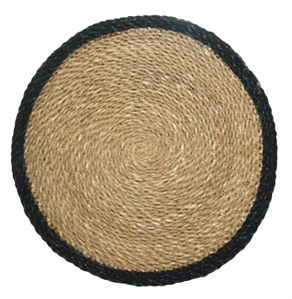
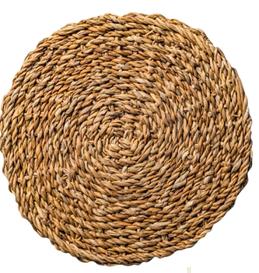
  • Home décor and accessories – placemats, coasters, table runners and decorative trays benefit from the fibre’s water‑repellent, stain‑resistant qualities.
  • Lamp shades and light fixtures – woven sea‑grass diffuses light gently and adds texture to interiors.
  • Rugs and floor mats – the dense weave makes sea‑grass rugs tough and nearly impermeable; they are suited to high‑traffic areas such as hallways and living rooms. However, sea‑grass cannot be dyed and gradually fades from green to golden brown.

Because sea‑grass fibres are naturally water‑repellent but absorbent when soaked, care is required: spills should be blotted immediately, and products should not be used in damp environments. With proper harvesting, weaving and finishing, sea‑grass products offer a sustainable, durable and aesthetically pleasing alternative to synthetic materials.