Kans Grass

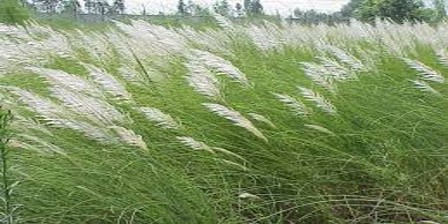
Kans grass (Saccharum spontaneum) is a tall, rhizomatous grass native to tropical and subtropical Asia and northern Africa. It is a perennial species that spreads via creeping rhizomes and grows erect stems that can reach 1–6 m in height grokipedia.com . In its native Indo‑Gangetic plains it has been known since ancient times as kash or kans and was historically used to make mats and ritual objects grokipedia.com . The plant thrives in riverbanks and dry sandy soils and is considered a fast‑growing wild relative of sugarcane. Scientific analyses show that its fibres contain around 69 % holocellulose and produce a strong, flexible material cellulosechemtechnol.ro . These characteristics make kans grass an environmentally friendly and renewable resource for hand‑crafted products.

How Kans-Grass products are made

Traditional kans‑grass craft is practised by Tharu and Maithil women in the plains of Nepal. The process uses locally collected stems and simple tools.

  • 1. Harvesting & drying – Farmers harvest kans grass from riverbanks and dry sandy soils, sort it by length and remove dead stems. The fresh stems are immediately split into thinner strands using a simple machine. These strands are then sun‑dried for two to three days until their moisture content drops below 30 %; sun exposure makes the fibre lighter, softer and more durable.
  • 2. Soaking – The dried stems (locally called gabaha) are soaked in water to make them flexible.
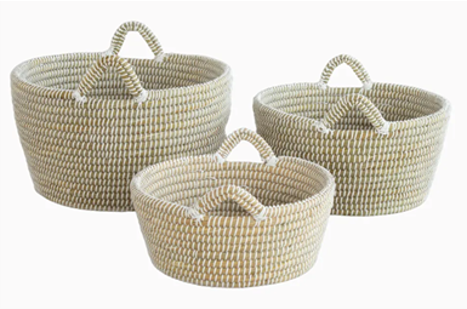
  • 3. Coiling and binding – Using a takuwa (a needle‑like tool) and a fistful of kans grass, artisans wrap the soaked gabaha around the core and coil it into the desired shape. Holes are pierced in the coil, and the gabaha is inserted through them to bind the structure, gradually forming a conical basket ecs.com.np . A base is later attached to complete the basket.
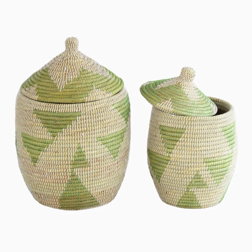
  • 4. Decorating – For patterned baskets called pauti or daliya, coloured sikki splinters are wound around the kans‑grass core. The splinters are collected, dried and dyed, then soaked and wrapped with a takuwa to create colourful designs.

Industrial processing generally follows similar steps. Harvested stalks are split or shredded, sun‑dried and twisted into rope or cordage. These cords are then woven by hand or on simple looms into baskets, mats, trays and other items. Because kans fibre cannot be easily bleached or dyed, products retain a natural beige to golden‑brown tone.

What can be made from Kans Grass?

The strong, flexible fibres of Saccharum spontaneum lend themselves to a variety of products:

  • Ropes and cordage – Industrial studies note that kans fibre is "broadly used for the manufacture of cordage, ropes, mats and baskets" cellulosechemtechnol.ro . Its tensile strength and flexibility allow artisans to twist it into durable cords for rope handles, twine and decorative bindings.
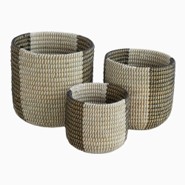
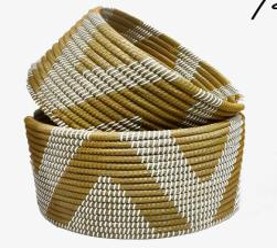
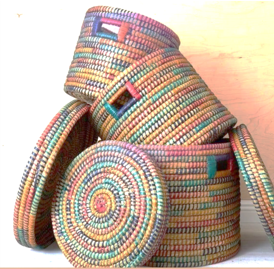
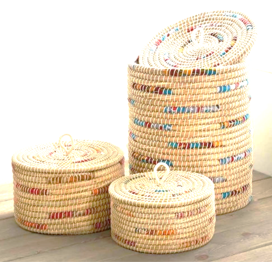
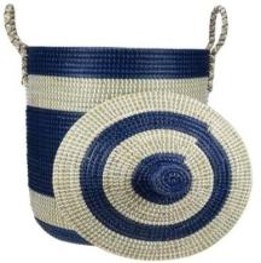
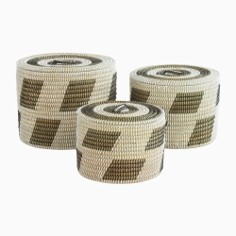
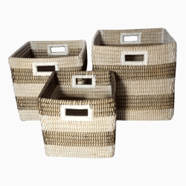
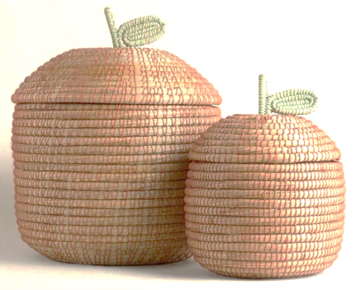
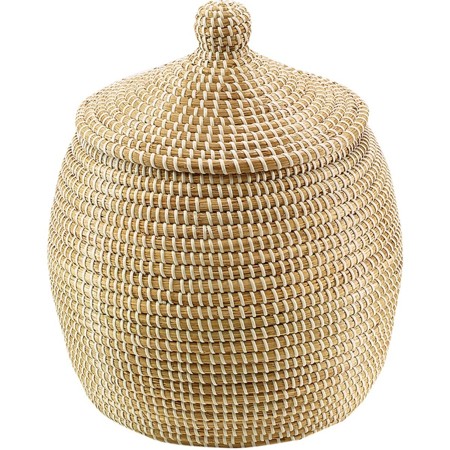
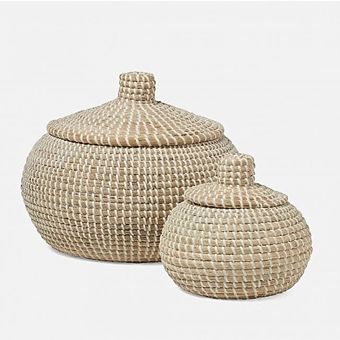
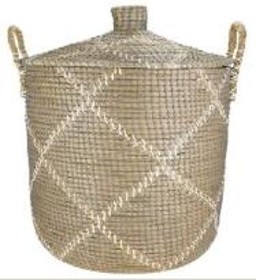
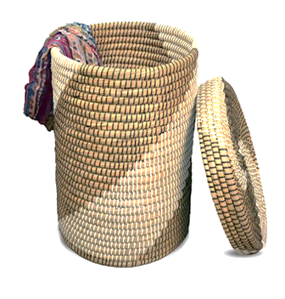
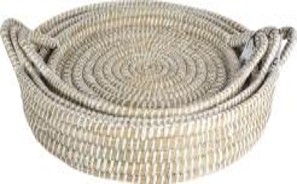
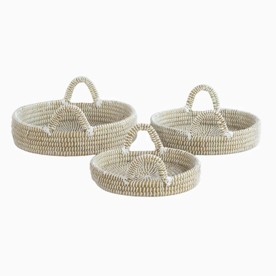
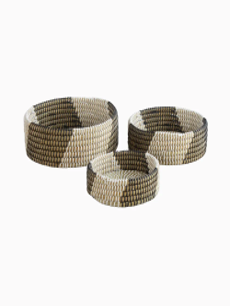
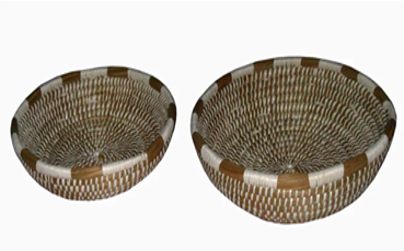
  • Storage baskets and containers – In Nepal, Tharu and Maithil women weave kans grass into conical baskets, pauti (flat baskets) and daliya (round baskets) for carrying grain or vegetables. Bangladeshi exporters offer kans‑grass baskets, laundry baskets, lidded boxes and home‑decor pieces.
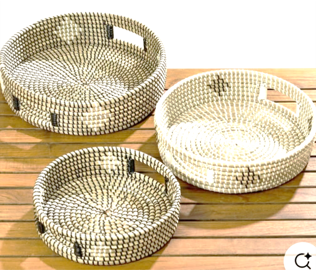
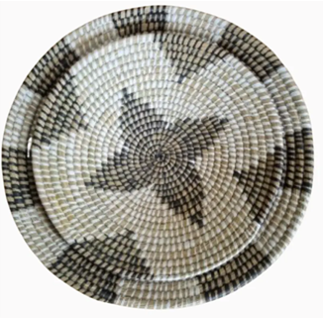
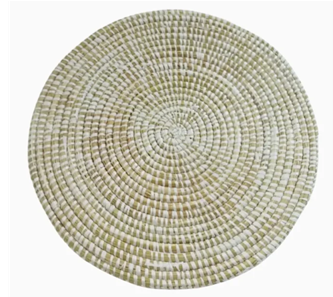
  • Mats, placemats and trays – The hollow, lightweight stems can be flattened and coiled into floor mats, placemats and serving trays. Kans mats are valued in South Asia for their natural look and are often used for dining or wall décor. The plant’s inflorescences and leaves have also been used traditionally for thatching roofs.
  • Brooms and brushes – Stalks collected before flowering are stiff and are sometimes tied together to make household brooms.
  • Paper and fibre crafts – Scientific evaluations suggest that kans grass contains enough cellulose to produce paper pulp; researchers have proposed using it as a raw material for papermaking cellulosechemtechnol.ro . Artisans also craft simple paper flowers and decorative objects from its fibres.
  • Cultural and ritual items – The feathery inflorescences, known as kaash phool, are a symbol of autumn in Bengal and are used to decorate venues during Durga Puja festivals grokipedia.com . Kans leaves are sometimes placed over food during eclipses to "protect" it according to folk tradition.

Sustainability and social impact

Kans grass grows abundantly on marginal land and does not compete with food crops cellulosechemtechnol.ro . It requires little irrigation and can be harvested almost year‑round, providing a sustainable source of fibre. Using kans for handicrafts supports rural livelihoods—particularly for women artisans who weave baskets and mats during their free time ecs.com.np . The craft helps preserve traditional skills and offers eco‑friendly products for modern markets.